Loading...
Serving Moorhead, MN and surrounding areas. (218) 227-4510
A new home needs a foundation that handles Moorhead's frost depth, clay soils, and spring snowmelt pressure. We install poured concrete foundations with perimeter drainage, full waterproofing, and frost-depth footings so your home starts on ground that will not shift.
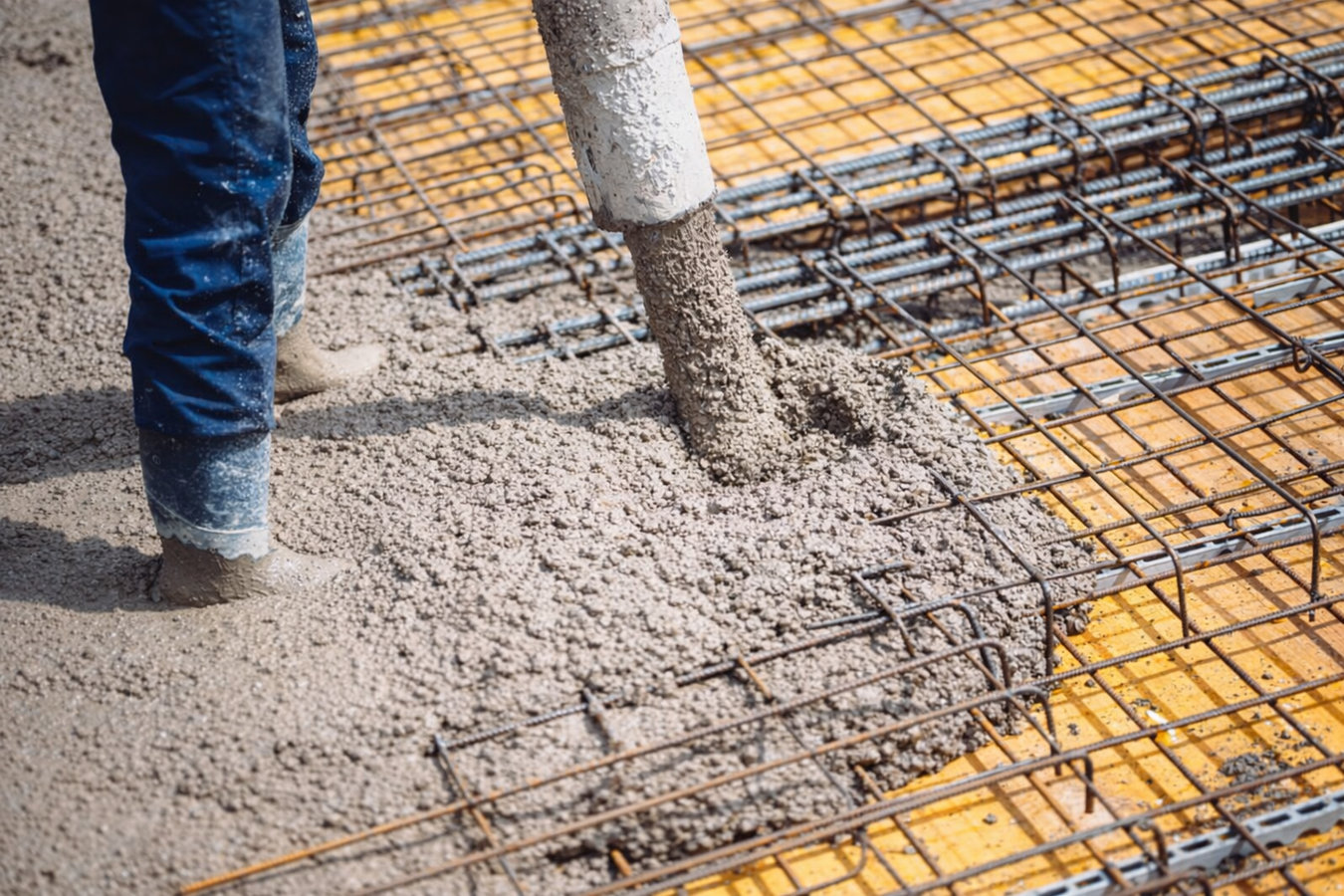
Foundation installation in Moorhead, MN means excavating to below the frost line, setting and pouring reinforced concrete walls and a floor, applying exterior waterproofing, installing perimeter drainage tile, and backfilling and grading the site so water moves away from the structure - most residential projects take two to four weeks from permit approval to a foundation ready for framing.
Moorhead homes are built on the ancient lakebed of Glacial Lake Agassiz, and the clay-heavy, high-moisture soils here put real pressure on foundation walls from the outside. A foundation built without accounting for that soil movement will show bowing walls and water intrusion within a few years. For projects that require a simpler slab without full foundation walls, we also offer slab foundation building - both options are quoted the same way, with a site visit before any numbers are put on paper.
Cracks that angle outward from the corners of door frames or window openings are often a sign the foundation beneath that part of the house has shifted. In Moorhead's clay soils, this kind of movement is common as the ground swells and shrinks with moisture changes through the seasons. A crack that was small last year and is noticeably larger this year deserves a professional assessment.
When a foundation settles unevenly, door frames and window frames go slightly out of square. You will notice this as a door that used to close easily now drags on the floor, or a window that suddenly takes effort to open. This is one of the most common early signs that something is shifting below - and it is something you can check yourself without any tools.
Given Moorhead's flat terrain and high water table, basement water intrusion is a real and recurring problem here. If you are seeing puddles, damp walls, or a musty smell in your basement after the snow melts or after a heavy rain, the foundation's drainage or waterproofing may be failing. Water damage compounds quickly - the longer it goes unaddressed, the more expensive the fix becomes.
Stand in your basement and look at the walls straight on. If a wall looks like it is curving inward - even slightly - that is a sign the soil pressure on the outside is winning. In Moorhead, clay soils that absorb a lot of moisture in spring can push hard against foundation walls. A wall that is bowing is under stress and should be evaluated before the movement gets worse.
Every foundation project begins with a site visit to assess lot drainage, soil conditions, and any known water issues before we put a number on paper. We pull the building permit through the City of Moorhead and coordinate city inspector visits at the required stages - you never have to chase that down yourself. Excavation goes to frost-depth, which in Moorhead means getting well below four feet in most cases. Steel reinforcement is placed inside the forms before the pour to give the walls the strength they need to resist the lateral pressure that clay soils create when they expand in wet seasons.
After the walls cure and forms are stripped, we apply an exterior waterproofing membrane and install perimeter drainage tile to carry groundwater away from the foundation before it builds up pressure. Backfilling and final grading direct surface water away from the house. For projects that also need flatwork after the foundation is set, we handle concrete parking lot building and other exterior flatwork with the same crew, which avoids remobilization costs and keeps everything on one schedule. The University of Minnesota Extension maintains research-based guidance on foundation drainage and basement moisture that we reference alongside industry standards.
Full poured concrete foundation for new residential construction - walls, floor slab, and frost-depth footings sized for Moorhead's climate and soil.
Footings extended to the required depth below the freeze line so the foundation stays anchored and level through decades of freeze-thaw cycles.
A protective coating applied to the outside of foundation walls before backfilling - the first line of defense against basement moisture in this high-water-table area.
Drainage tile installed around the foundation perimeter to carry groundwater away from the walls - standard in the Red River Valley, not an optional upgrade.
Soil compacted back around the walls and graded so surface water flows away from the foundation rather than toward it.
Full removal and replacement of a failed or deteriorated foundation on an existing home, including shoring, demolition, and new construction to current standards.
Moorhead sits on the floor of ancient Glacial Lake Agassiz, which left behind nearly flat terrain and clay soils that hold moisture and move with the seasons. The Red River has flooded Moorhead multiple times - most notably in 1997 and 2009 - and even in non-flood years, the water table in parts of the city sits close to the surface during spring snowmelt. A foundation that would perform adequately in a drier climate will not hold up here without proper drainage tile, exterior waterproofing, and grading that actively moves water away from the structure. The Minnesota Department of Labor and Industry sets the building code standards that govern foundation work across the state, and frost-depth requirements here are among the deepest in the country.
Homeowners in Wahpeton, ND and Breckenridge, MN deal with the same Red River Valley soil and drainage conditions as Moorhead. We bring the same frost-depth excavation, drainage prep, and waterproofing practices to every project we take on across the region - because the ground conditions are the same regardless of which side of the river or state line a project sits on.
We visit your property to look at the site, ask about the structure you are building, and check for any known drainage or soil issues. Within one business day of the visit, you receive a written estimate that breaks out excavation, materials, waterproofing, and labor so you can compare it fairly with other quotes.
We apply for the building permit through the City of Moorhead before any digging starts. The city's review typically takes one to two weeks - we factor that into your timeline from the start. The permit means an independent inspector will check the work at key stages before it is covered up.
Once the permit is approved, the crew marks out the footprint and excavates to frost-depth - roughly four feet down in Moorhead. This is the loudest and most disruptive phase. Your yard near the dig site will look rough for a while; that is completely normal and expected on any foundation project.
Forms are set, rebar goes in, and concrete is poured and allowed to cure. After the forms come off, exterior waterproofing is applied and drainage tile is installed before backfilling. The site is graded so water runs away from the house. A final inspection confirms the foundation is ready for framing.
We visit your site, walk you through what the job involves in Moorhead's soil and climate, and give you a written estimate with no obligation to move forward.
(218) 227-4510Some contractors quote a base foundation price and then add waterproofing and drainage as line-item upgrades. We include perimeter drainage tile and exterior waterproofing membrane in every full foundation quote because in Moorhead's high-water-table environment, these are not optional - they are what keeps your basement dry.
We apply for the City of Moorhead building permit before any work begins and schedule city inspector visits at the required stages. A foundation project that is not properly permitted can be stopped mid-excavation or create problems when you sell - we handle that paperwork so you never have to think about it.
Foundations in Moorhead must reach roughly 42 to 48 inches below the surface to sit below the frost line. Contractors who undercut on depth to save excavation costs are setting up a foundation for seasonal heave and long-term cracking. We know the local standard and build to it on every project.
Working in the Fargo-Moorhead metro means knowing how clay-heavy glacial lake soils behave across the seasons - how they swell in spring, shrink in summer, and freeze hard in winter. That local experience shapes how we prepare the base, reinforce the walls, and grade the site on every project. No out-of-town contractor can match that firsthand knowledge.
Foundation installation in Moorhead is a bigger undertaking than in most of the country, and the margin for error is small. Every decision - depth, drainage, reinforcement, waterproofing - has to be right from the start, because fixing a poorly installed foundation is far more expensive than building it correctly the first time.
Adding a commercial or multi-unit project after your foundation is set? We build concrete parking lots designed for freeze-thaw conditions and heavy traffic.
Learn MoreBuilding a garage, workshop, or addition that needs a slab-on-grade instead of full foundation walls? We handle slab foundations with the same frost-depth preparation.
Learn MoreMoorhead's construction window is short and foundation crews book up fast once the ground thaws. Call or request a free estimate today so your project is permitted and started before the season fills.